
The fastest way to lose in AniPixels is to build a roster full of individually strong picks that do not actually cover each other. This guide is for the stage after the beginner phase: building a team that survives ranked pressure, wins neutral more often, and still has answers after the first engage goes badly.
Use the rest of the cluster when you need it:
The Best Team Formula
The safest AniPixels roster still follows a simple pattern:
- one reliable primary carry
- one bruiser, frontliner, or stabilizer
- one utility slot with range, control, resets, or peel
That sounds basic, but it solves the two problems that ruin most ladders sessions:
- overcommitting into full damage teams with no recovery plan
- losing every second rotation because the team has no spacing or control
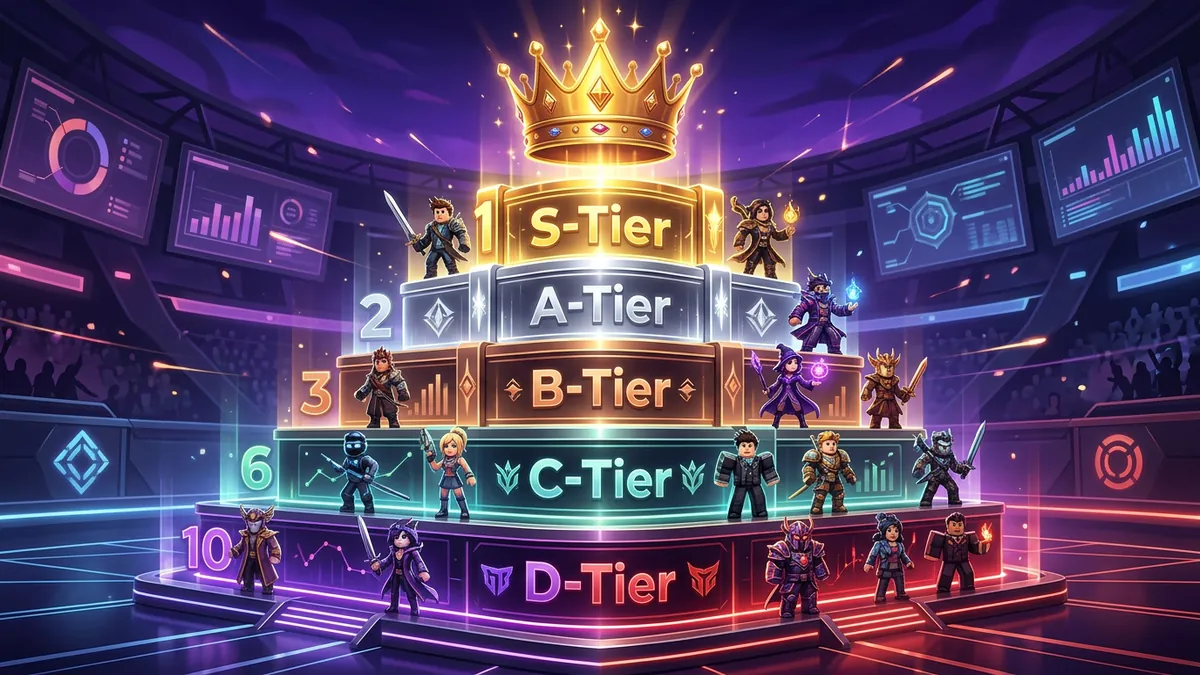
Tier lists matter, but structure matters more. A balanced A-tier roster often performs better than three S-tier picks that all want the same lane, the same engage timing, and the same resources.
What a Strong AniPixels Team Must Do
Before talking about specific team shapes, define what the roster needs to accomplish.
Your team should be able to:
- open fights without risking the whole round
- survive bad trades long enough to reset neutral
- threaten damage from at least two positions
- punish overextended opponents
- scale well when you only have enough resources to fully invest in one core pick
If the team cannot do those five things, it will feel amazing in highlight clips and awful in real ranked sessions.
The Best Ranked Team Shape
For ranked, prioritize this order:
- Reliable opener
- Safe swap or stabilizer
- Character with crowd control, zoning, or defensive utility
The opener is the pick that starts fights on your terms. The stabilizer is the character you can move to when tempo gets messy. The utility slot is what stops the roster from becoming one-dimensional.
This is why strong ranked teams look “boring” compared to quick match clips. They are built to absorb mistakes. Ranked rewards teams that stay playable after the first plan fails.
Three Team Templates That Actually Work
1. Safe Ladder Template
Use this when you want the highest floor:
- one main carry with simple confirms
- one mid-range bruiser with decent survivability
- one utility pick that can slow, interrupt, or create space
This template is ideal if you are climbing and want fewer free losses. It gives you room to play clean neutral, rotate safely, and keep your win condition alive even when the opener misses.
2. Anti-Rush Template
Use this when the ladder is full of aggressive players:
- one frontliner that can hold space
- one punish-oriented carry
- one control slot with peel or disruption
The goal here is to make enemy rushdown feel expensive. Instead of trying to outrun aggro every game, you create enough resistance that reckless dives become losing trades.
3. Quick Match Snowball Template
Use this in lower-pressure queues:
- one burst-heavy carry
- one tempo pick with mobility
- one backup slot that covers range or survivability
This is riskier, but it is good for faster farming or limit-testing. Just do not confuse quick match success with ranked stability. A snowball roster teaches aggression, but it also hides structural flaws.
Role Priorities Matter More Than Raw Tier Position
When you use the AniPixels Tier List, read it as a talent pool, not as a literal team sheet.
A roster works best when each slot has a job:
- Carry: wins damage races and closes rounds
- Bruiser or anchor: buys time, survives pressure, and gives your team a stable screen state
- Utility: fixes awkward matchups, enables resets, or helps you reach targets more safely
Three characters competing for the same carry job almost always create resource problems. One of them ends up underbuilt, underused, and dead weight in real matches.
Best Upgrade Priorities
When resources are limited, spend in this order:
- Damage consistency on your main carry
- Survivability or spacing tools on your second slot
- Cooldowns, crowd control, or utility value on your third slot
Avoid spreading upgrades evenly across all characters just because it feels fair. AniPixels rewards one properly built win condition plus two functional teammates more than three half-built “balanced” picks.
Early Upgrade Rule
Your first upgrades should help you:
- secure easier neutral wins
- punish mistakes harder
- avoid losing pace after one bad trade
That usually means basic damage reliability, smoother cooldown flow, and one defensive answer on the second slot.
Mid-Game Upgrade Rule
Once the core carry is stable, improve:
- the second slot’s ability to hold space
- teamwide tempo tools
- any utility that helps against common ladder archetypes
Mid-game is where most players overupgrade damage. If your team already kills, the next value often comes from consistency, not greed.
Matchup Adjustments That Save Runs
Against aggressive melee teams
- keep the stabilizer available instead of hard-committing every time
- value peel and interrupts over extra burst
- punish entries instead of racing every engage
Against ranged control teams
- do not stack three short-range picks
- use your utility slot to force space or create safer entry windows
- hold upgrades that help your carry survive the walk-in
Against high-mobility teams
- prioritize reliable confirms over greedy skill shots
- keep one answer that can slow or pin movement
- do not build a roster that only wins if it lands the first burst
The best teams are not teams with no bad matchups. They are teams with at least one playable adjustment in every common matchup family.
Resource Management and Pull Discipline
AniPixels punishes random spending. Before investing in a character, ask:
- does this pick improve my current roster?
- does it solve a matchup I keep losing?
- does it replace a weak slot, or does it just duplicate a role I already have?
If the answer is only “it is high on the tier list,” keep your currency.
Good accounts grow faster when every pull or upgrade has a role-based reason behind it.
Common Team Building Mistakes
Too much burst, no control
Three damage-first picks look powerful until every extended fight becomes unwinnable. Add one slot that slows, zones, or resets tempo.
No backup for bad matchups
If the whole roster loses to the same range or mobility pattern, you are going to feel hard-countered. One slot should exist mainly to change the pace of the fight.
Copying a top-tier list without role balance
Tier lists tell you who is strongest in a vacuum. They do not automatically give you a coherent team.
Upgrading out of emotion
Do not pour resources into the character that got you one flashy carry. Upgrade the pick that improves the account’s average match quality.
Quick Team Builder Rules
- Keep one stable opener in every queue
- Do not run more than one fragile pick unless you are intentionally snowballing
- Upgrade your win condition first
- Save currency for characters that solve a roster problem
- Rebuild only when the meta or your account actually changes
If you follow those rules, your team will scale faster and stay useful even when the ladder meta shifts.
Recommended Next Step
Once your roster is structured correctly, the next gain is not random experimentation. It is tightening which picks you invest in and tracking whether your team wins more neutral fights, not just more highlight moments.
Use this guide with the AniPixels Tier List to choose the pool, the beginner guide to clean up fundamentals, and the codes page to avoid wasting resources you can claim for free.
FAQ
What is the safest AniPixels team structure?
The safest structure is one carry, one stabilizer, and one utility slot. That keeps the roster playable when the first engage fails and prevents you from stacking three fragile damage picks.
Should I upgrade all three characters evenly?
No. Upgrade the main win condition first, then improve survivability or spacing on the second slot, and only then push utility value on the third. Even upgrades usually create three half-built characters instead of one strong team core.
How should I use the tier list when building a team?
Use the tier list as a talent pool, not as a final composition. Pick strong characters that fill different jobs instead of blindly taking the top three names.